Pulling Power Without the Pain
“Will towing hurt my transmission?” is a legitimate worry. And honestly, it’s a fair question. Some car owners might have heard horror stories: vehicles towed the wrong way, transmissions left ruined. Here’s the truth: towing can damage your transmission. But it doesn’t have to be that way. When done properly, your vehicle can be towed without suffering a bit of damage. The key is understanding how different vehicles need different approaches. Automatic transmissions, electric drivetrains, and all-wheel drive systems each come with their own rules. Tow them the wrong way, and yes, you’re looking at an expensive repair bill. Tow them the right way? They’ll arrive safely with their transmission intact. That’s the standard we follow every day with our Fort Campbell towing services.
How Transmission Damage Happens During Towing
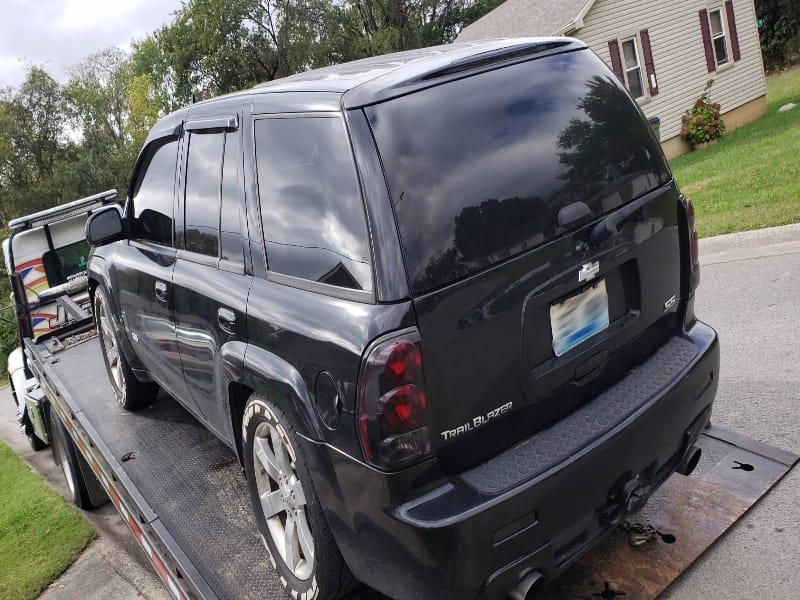
If a vehicle is towed incorrectly—say, with its drive wheels on the ground and the transmission in gear—it forces parts to move without proper lubrication. That friction builds up fast and can wreck your transmission before you even reach the repair shop. It’s not just about getting from Point A to Point B. It’s about how you get there.
Two common troublemakers:
- Automatic transmissions can overheat quickly if the drive wheels spin while the engine is off.
- AWD and 4WD systems may transfer power unevenly or bind up entirely if all four wheels aren’t handled properly.
That’s why we pay extra attention before any hookup happens. Knowing the drivetrain is as helpful as it is essential.
What About EVs and AWD Vehicles?
Electric vehicles and all-wheel drive systems bring extra challenges. You can’t tow them like a standard car. In fact, some EVs will be permanently damaged if towed on their drive wheels. Others will trigger power surges or regenerative braking errors. We’ve trained our team to know the difference and tow accordingly.
Here’s what we do to protect your transmission:
- Use flatbed trucks when needed, especially for EVs and AWDs.
- Always verify the manufacturer’s towing recommendations.
- Keep all drive wheels off the ground for AWD systems.
- Avoid any setup that causes wheels to spin while the engine is off.
Towing isn’t one-size-fits-all. If you see a flatbed pull up instead of a traditional hook and chain setup, there’s a reason for that, and it’s your transmission’s safety.
What We Use to Tow the Right Way
The tools and choices we make directly impact your vehicle’s health. At Jones Bros. Towing, we never rush a hookup. Here’s a peek at what makes a safe tow:
- Flatbed tow trucks: These carry your vehicle with all wheels off the ground, eliminating drivetrain stress.
- Wheel-lift systems: We use these when a flatbed isn’t required, lifting the correct axle to avoid transmission drag.
- Skates and dollies: Perfect for vehicles with locked wheels or complex drivetrains.
- Diagnostic checks: Before we move anything, we check what kind of transmission we’re working with.
Every decision our Fort Campbell towing team makes is based on preserving your vehicle, not just getting it off the road.
Jones Bros. Towing: Fort Campbell Towing That Protects Your Transmission
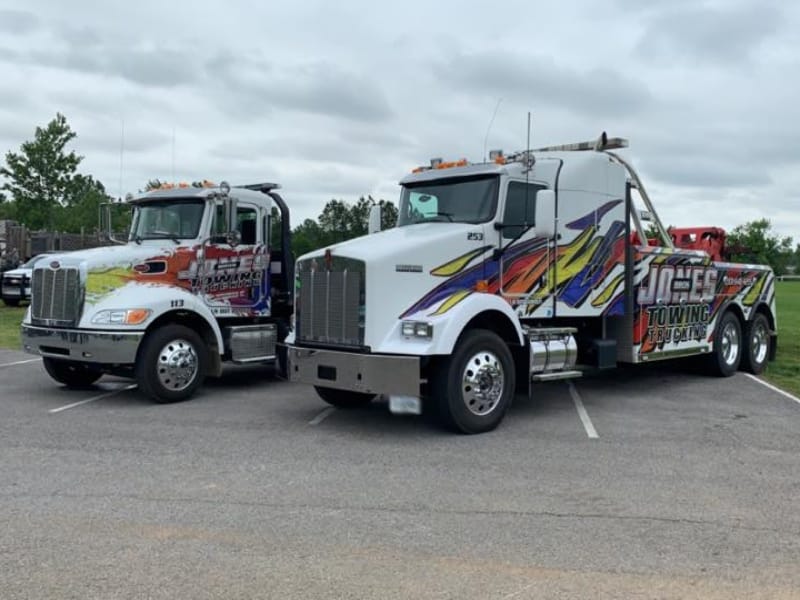
At Jones Bros. Towing, we take pride in doing things the right way. Every time someone calls for Fort Campbell towing, we bring more than just a truck—we bring the knowledge to keep your vehicle safe. Transmission damage isn’t part of the deal when you tow with us.
Our Fort Campbell towing team knows how to handle electric vehicles, all-wheel drive systems, and traditional drivetrains without causing harm. You won’t find us dragging your vehicle off without checking the setup. And we won’t leave you guessing about what’s happening to your car behind the scenes.
When you choose Fort Campbell towing from Jones Bros. Towing, you’re choosing experience, training, and a crew that treats your car like it’s our own. That includes:
- Careful handling for AWD and EV systems
- Flatbed options for sensitive drivetrains
- Technicians who know how to protect your transmission
- Towing that gets you there without adding damage
Get the Fort Campbell towing team you can trust!
FAQ
Can towing damage a vehicle with all-wheel drive?
Yes, if all wheels aren’t properly supported during towing, AWD systems can bind or suffer internal damage. Using a flatbed or proper wheel lift setup prevents this.
How do I know if my vehicle needs a flatbed tow?
Vehicles with AWD, electric drivetrains, or low ground clearance typically require flatbed towing. Check your owner’s manual or ask a towing professional.
Is it safe to tow an electric vehicle?
Yes, but it must be done correctly. EVs often need flatbed transport to avoid drivetrain and electrical damage.
What happens if a car is towed with its drive wheels on the ground?
The transmission components can spin without lubrication, causing overheating or internal wear—especially in automatic or AWD systems.
Why do some vehicles require wheel dollies during towing?
Wheel dollies lift non-drive wheels off the ground, keeping all wheels stationary. This is helpful when a car can’t shift into neutral or has locked wheels.
Do towing companies check how my car should be towed?
Reputable companies do. They assess your vehicle’s drivetrain, consult manufacturer guidelines, and choose equipment to avoid damage. Always ask before the tow begins.