
The Danger of a Jackknife
For truckers, few situations bring the road to a halt faster than a jackknife. In a split second, a fully loaded trailer can slide out of line, pulling the cab sideways and leaving the driver with almost no control. We’ve responded to enough I-24 heavy towing calls to know how unpredictable and destructive these accidents can be. They block lanes, endanger nearby drivers, and often leave rigs in positions that are difficult to recover. The truth is, once a jackknife begins, options for correction shrink fast. That’s why the best defense is prevention, habits and awareness that keep control in the driver’s hands long before a skid starts.
Why Jackknifes Happen
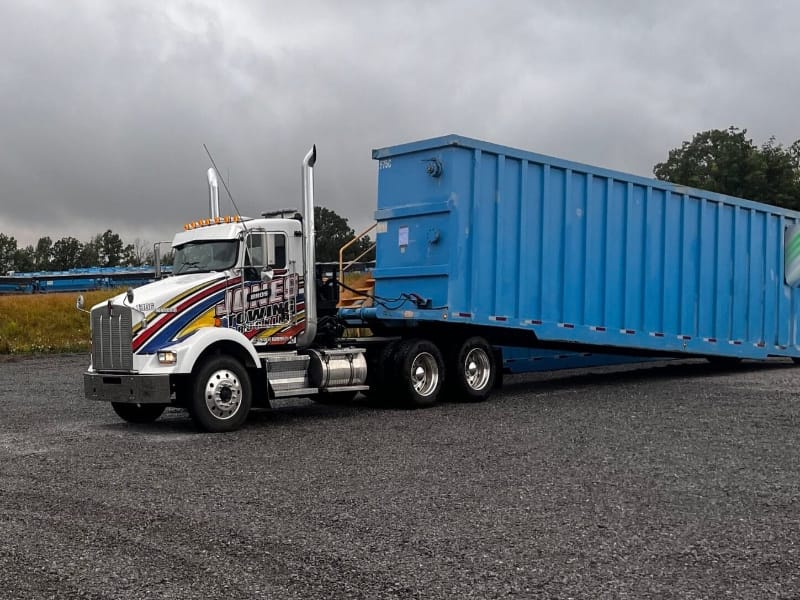
A jackknife doesn’t happen out of nowhere. It’s usually the result of a few conditions lining up: slick roads, sudden braking, or carrying too much speed on a curve. Once that trailer begins sliding out of sync with the cab, the risk of a full lock-up rises fast.
We know truckers are under pressure to meet schedules, but rushing through these stretches can push a rig past the point of control. The aftermath often requires I-24 heavy towing, lane closures, and costly delays for everyone on the road.
Staying Ahead of Trouble
Avoiding a jackknife starts with driving choices long before a crisis. We’ve seen the difference it makes when truckers practice caution, and the habits that help most include:
- Managing speed: Keep it steady and lower than usual in wet, icy, or downhill conditions.
- Using controlled braking: Instead of slamming on brakes, apply gradual pressure to maintain traction.
- Maintaining space: Leaving extra room allows for smoother stops and less trailer sway.
- Checking tires: Bald or uneven tires make trailers more likely to lose grip.
- Balancing loads: Even distribution of cargo keeps the trailer stable in motion.
Handling Slippery Conditions
A disabled box truck in traffic is a ticking time bomb, and when that truck jackknifes on a wet stretch, the danger multiplies for every vehicle nearby. That’s why recognizing conditions before they turn hazardous is critical.
Rain turns into standing water, ice patches hide in shaded curves, and loose gravel on rural off-ramps can all trigger a skid. We’ve seen drivers avoid accidents by easing off the accelerator early, downshifting instead of braking hard, and keeping both hands steady on the wheel when traction starts to go. Staying calm and focused can mean the difference between regaining control and needing I-24 heavy towing assistance.
Technology Helps, But It’s Not Enough
Modern rigs come with ABS systems and electronic stability controls, but relying solely on those systems is a gamble. They help reduce risk, but they can’t replace skill, attention, and good habits behind the wheel. Rigs with all the latest features still end up sideways because the driver pushed too hard in poor conditions. The best technology in the world won’t save a truck that’s already traveling too fast for the road ahead.
Jones Bros. Towing is Your Expert I-24 Heavy Towing Provider
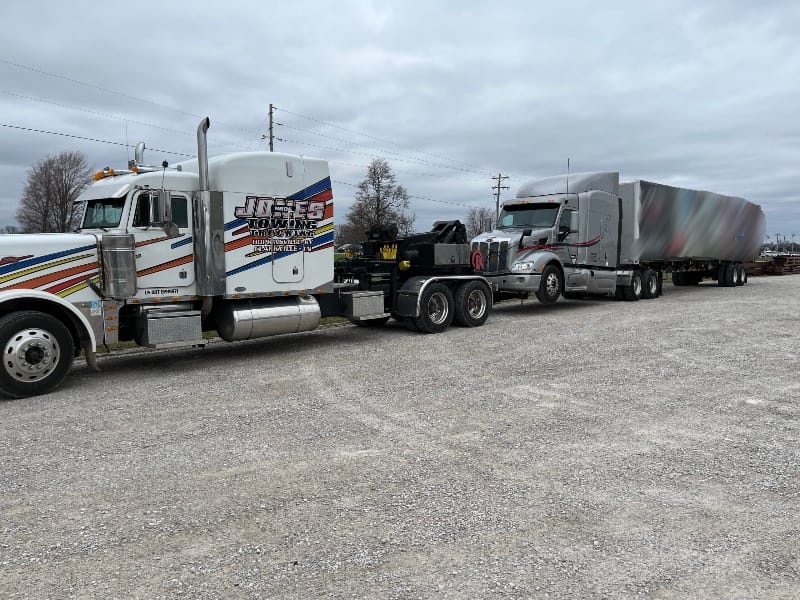
Our I-24 heavy towing team has been on the road long enough to know that jackknifing is one of the worst situations a trucker can face. It’s dangerous, costly, and stressful for everyone involved.
At Jones Bros. Towing, we’ve handled some of the toughest I-24 heavy towing recoveries after. Our experience has taught us how critical preparation is and how much safer the road becomes when truckers stay alert and cautious.
So next time you’re hauling across I-24, remember the steps that keep jackknifing at bay. And if the worst does happen, know that our I-24 heavy towing team is ready to roll, day or night, to get you out of harm’s way and back on the road.