
The Challenges Start When the Sun Goes Down
There’s no such thing as a routine towing call after dark. The same stretch of highway that looks familiar by day turns into something else entirely at night. The lights blur. The shoulder shrinks. Drivers get drowsier, and mistakes get riskier. Our tow truck service team knows that I-24 emergency towing doesn’t stop when the sun sets. In fact, that’s when some of the toughest calls come in.
Less Light, More Risk
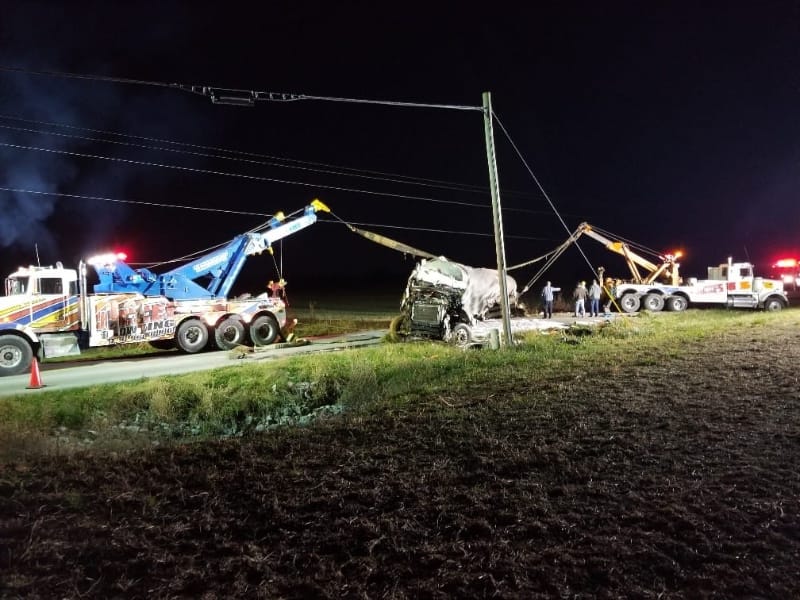
Night doesn’t just dim the road but changes the entire job. Headlights only go so far, and they don’t always catch what we need to see.
When we’re dispatched for an I-24 emergency towing job in the dark, we know it’ll take more than a flashing beacon. Assessing damage, spotting debris, or even identifying the right hook-up points becomes tougher. We bring portable floodlights, high-vis gear, and a process we’ve refined through countless night calls.
Night calls also mean more passing traffic that doesn’t see us in time. That’s why we set up wide safety zones and always keep an eye on incoming headlights. At night, a single missed step can quickly turn into a real hazard.
Fatigue Hits Everyone
The road doesn’t sleep, but people do. By 2 a.m., everyone—from long-haul truckers to compact car drivers—is running on fumes. And that fatigue shows up in our work too if we’re not careful.
We’ve trained ourselves to stay sharp, even during the graveyard shift. We rotate crews, keep hydration and snacks in the cab, and don’t rush the hookup, even if traffic is light. There’s no shortcut through tired. I-24 emergency towing demands full focus, no matter the hour.
The Dangers You Don’t See Coming
You’d think a quiet highway means less danger. It doesn’t. At night, we see more drunk drivers, speeding semis trying to make up time, and distracted drivers scrolling through playlists. The lane might be clear, but the danger isn’t gone, it’s just harder to spot.
We’ve had to leap over guardrails. We’ve dodged side mirrors. We’ve had vehicles drift too close while we were winching. That’s why we always back our trucks in a way that shields the work zone. We use cones, flares, and light bars like our lives depend on them. Because they do.
Gear That Works as Hard as We Do
For I-24 emergency towing to work at night, the gear can’t quit. We double-check every winch cable and strap. Lights get tested before we leave the yard. Radios stay charged. We’ve learned the hard way that a broken flashlight or a frayed cable can grind the whole job to a halt.
Here’s what we rely on most during a night recovery:
- High-lumen scene lights to flood the area with visibility.
- Reflective vests and helmets to stay seen from every angle.
- Communication headsets so we’re never out of contact.
- Extra cones and road flares to warn drivers in time.
- Backup power for lighting and radios.
Without these, night recoveries would be ten times slower and far more dangerous.
Jones Bros. Stays Ready All Night for I-24 Emergency Towing
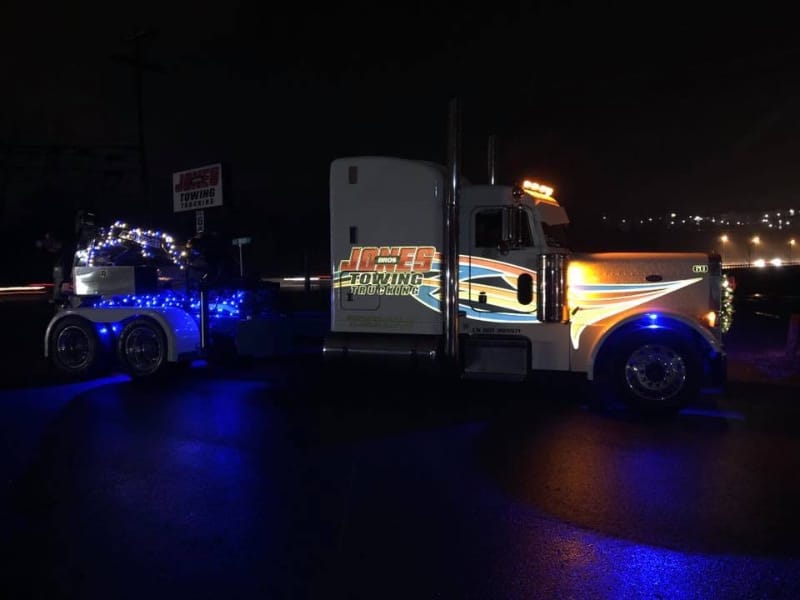
At Jones Bros. Towing, we handle I-24 emergency towing day and night, but night work demands more from all of us. We prep harder. We stay alert longer. We protect each other every step of the way. I-24 emergency towing after dark isn’t just another shift is a different kind of call, and we answer it with everything we’ve got. If you’re stranded at night on the shoulder, just know this: we see you, we’ve been there before, and we’re already on our way.