

A Stopped Truck Starts a Bigger Problem
A tractor-trailer losing air near the Tennessee state line at 6:30 a.m. can throw off more than one delivery. The driver may still be calm, the load may still be intact, and the truck may only need one failed part replaced. But the clock starts before the hook ever goes on, and that is where I-24 heavy towing becomes part of a much larger trucking cost.
A disabled vehicle on the shoulder affects the driver, dispatcher, receiver, repair shop, and sometimes the next driver waiting on that same trailer. We have seen one roadside breakdown turn into missed appointments, rescheduled loads, extra yard moves, and long phone chains before the truck even reaches a shop.
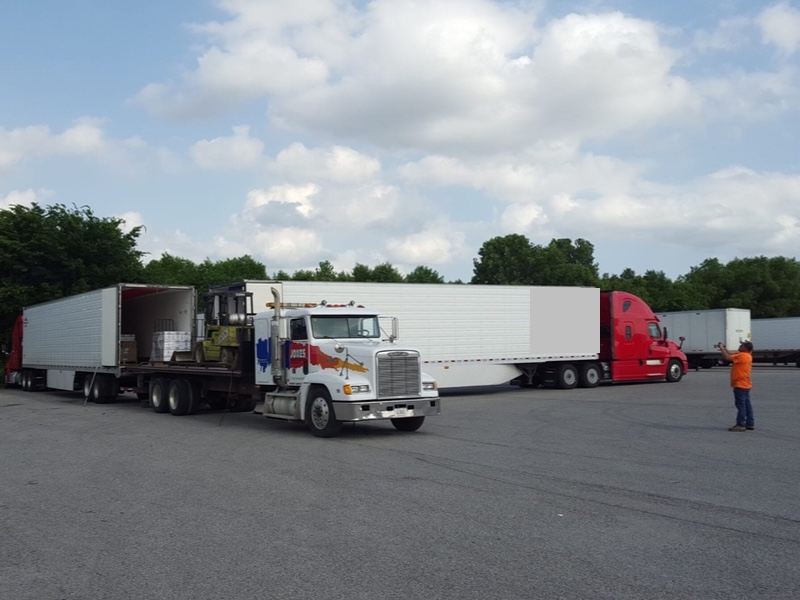
The Repair Bill Is Only the Easy Number
Parts, labor, towing, and storage are simple enough to track. They show up on paper. The harder costs hide in the schedule. A driver may run out of legal hours while waiting. A receiver may lose the unload crew scheduled for that morning. A broker may start calling every twenty minutes because the load has gone quiet.
Freight has its own pressure. Refrigerated cargo needs temperature checks. Flatbed loads may need securement reviewed after a hard stop or roadside move. A sealed trailer may require extra communication before transfer. By the time the truck gets to a shop, the fleet may already be paying for downtime in ways the repair estimate never shows.
Interstate Breakdowns Need Fast, Clear Decisions
I-24 brings a mix of local traffic, commercial freight, and long-haul drivers moving between Kentucky, Tennessee, and beyond. A disabled semi near Clarksville does not create the same plan as a rollback call in a parking lot. Shoulder width, exit spacing, traffic speed, and weather all affect how the crew sets up.
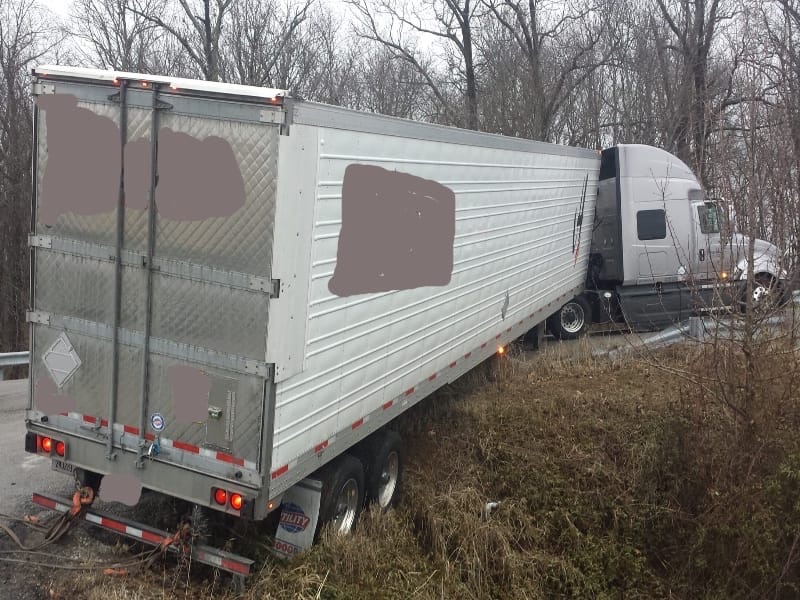
That is why getting all the relevant dispatch details is so important. We want the mile marker, direction of travel, tractor type, trailer type, load condition, and where the truck is sitting. A unit on the shoulder may need one response. A truck in a ditch, blocking a ramp, or sitting with axle damage may need a heavier plan from the start.
Downtime Gets Worse When the Tow Plan Is Wrong
A tow plan should answer the next question before the truck moves. Where is the tractor going? What happens to the trailer? Can another truck take the load? Does the shop have room, parts access, and the right repair capability? With I-24 heavy towing, guessing at those answers can add another delay after the truck is already off the road.
Before we move a commercial unit, we usually confirm:
- Is the trailer loaded, empty, sealed, or refrigerated?
- Can the tractor build and hold air?
- Are the brakes, axles, or suspension damaged?
- Does the fleet want a shop, yard, transfer point, or long-distance move?
- Is another tractor coming for the trailer?
- Will the truck and trailer move together or separate?
Those details shape the rest of the day. A good I-24 heavy towing plan may send the tractor to repair while keeping the trailer available. Another call may require the full combination to move together because of cargo, damage, or road position.
Heavy Towing Can Protect the Rest of the Route
Some breakdowns look simple until the driver explains what is inside the trailer or where the load has to be by noon. A tow crew may need to think about the truck, the freight, the repair path, and the fleet’s next move at the same time. That is normal work in I-24 heavy towing, especially when one wrong drop location can create a second tow.
We think speed matters, but the right move matters more. Rushing a heavy truck to the closest yard may feel helpful for the first hour, then cause trouble when the fleet needs a repair facility across town. Sending the right wrecker, asking better dispatch questions, and planning the trailer move early can keep the breakdown from spreading into the next day.
Jones Bros. Towing Keeps I-24 Heavy Towing Focused on Downtime
Jones Bros. Towing started in 1975 with Ronnie Jones, his brother, and one wrecker tied back to their father’s gas station business. Today, our fleet includes 9 rollbacks, 13 wreckers, equipment-hauling trailers, Landalls, RGNs, Rolloff containers, and a rotator for heavier recovery work. Our I-24 heavy towing service comes from that mix of local roots and equipment depth.
From Hopkinsville and Clarksville, we handle local and long-distance towing, heavy recovery, equipment moves, forklift hauling, and commercial truck calls across 48 states. For I-24 heavy towing, we look at the tractor, trailer, cargo, road position, and repair plan before choosing the response. A disabled truck along I-24 may only sit in one spot, but the cost of that stop can reach the driver, the load, and the next job waiting down the road.
FAQs
How much can downtime cost a trucking company?
Downtime can include driver pay, missed delivery windows, late fees, storage, and extra dispatch work. The repair may be only one part of the total cost.
Can a semi be towed with a trailer still attached?
Yes, many semis can be towed with the trailer attached. The operator checks weight, brake condition, trailer position, and cargo type before deciding.
Why would a tow crew move the tractor and trailer separately?
Separating them can help keep the freight moving while the tractor goes to a shop. It may also be safer if the tractor has damage that affects steering, brakes, or suspension.
What should a driver do after a commercial truck breaks down?
Move away from traffic if possible, call dispatch, and share the exact location. Photos of the truck, shoulder, and damage can help the towing company send the right unit.
Why does cargo matter during a heavy truck tow?
Cargo affects weight, balance, urgency, and transfer options. Refrigerated, sealed, oversized, or fragile loads may require extra planning before the truck moves.
Can choosing the wrong repair shop increase downtime?
Yes. A shop without space, parts, or the right repair capability can lead to another tow. Confirming the destination early can save hours.