

Car Trouble, Multiplied
A loaded car carrier is a special case for towing. Because when one carrier gets in a wreck, we have to deal with multiple cars as the fall out. The cars loaded as cargo and the cars driving on the highway. We’re talking half a dozen vehicles or more. Even after we stabilize the tractor and carrier, every car aboard still has to be accounted for. Our I-24 heavy towing team needs to clear the commercial vehicle AND remove the entire load out of the scene.
And that is where the next problem begins. The carrier may be standing on its wheels again, but above us could be a stack of cars that shifted, sustained damage, or can no longer follow their normal route down the decks. Before anything else moves, we have to answer a much bigger question: how are all of those cars getting off?
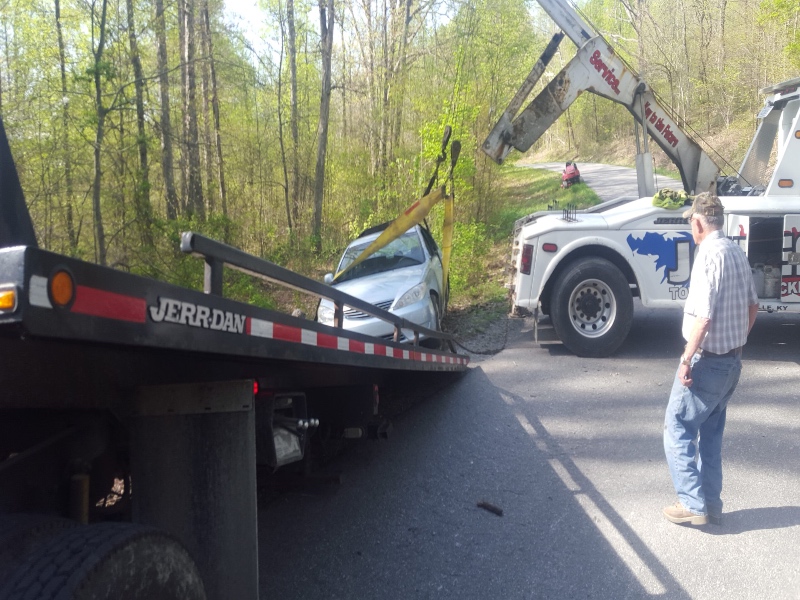
Every Car Has to Be Accounted For
After a serious carrier accident, the transported vehicle at the front of the upper deck may be in a completely different condition from one near the rear. Some cars may remain firmly secured while others shift or contact the carrier structure.
The carrier itself can make access difficult. Bent decks, damaged ramps, and altered deck angles may prevent us from unloading cars the way they were originally loaded.
An Undamaged Car Can Still Be Stranded
One unusual part of these recoveries is that an operable car may still need transportation.
The cars aboard were freight. Their drivers are not standing at the scene waiting to continue their trips. If we have to remove them from a damaged carrier, another means of transportation has to be arranged.
Unloading Can Become Its Own Recovery
During car carrier recovery on I-24, we may have to remove vehicles before we can reposition or transport the carrier.
For each car, we may need to determine:
- Is it still securely attached?
- Can its wheels roll?
- Does the steering function?
- Can the carrier deck still move?
- Is another vehicle blocking access?
- Where can we stage it once removed?
A damaged car may need recovery assistance just to reach the ground.
Emptying the Carrier Changes What We Are Recovering
Taking cars off changes the carrier itself. During heavy-duty recovery near I-24, every removed vehicle reduces the total weight while changing where the remaining weight is concentrated.
That means we keep reassessing the equipment as unloading progresses. What we are working with after the fourth car comes off is not exactly the same load we started with.
The Cars May Leave in Different Directions
Once we have vehicles staged, the scene can split into several transportation jobs. With vehicle recovery around I-24, some cars may need towing because of damage while others require continued transport.
At the same time, tractor-trailer recovery near I-24 still has to address the original carrier. The truck and its cargo arrived together, but there is no guarantee they will leave together.
Clearing One Wreck Can Take Several Moves
For heavy truck towing along I-24, uprighting the carrier is not enough if damage prevents it from traveling. The tractor, carrier, and unloaded cars may all have different transportation needs.
Staging matters too. We need removed vehicles positioned where they do not interfere with recovery work, responders, or the movement needed to finish clearing the scene.
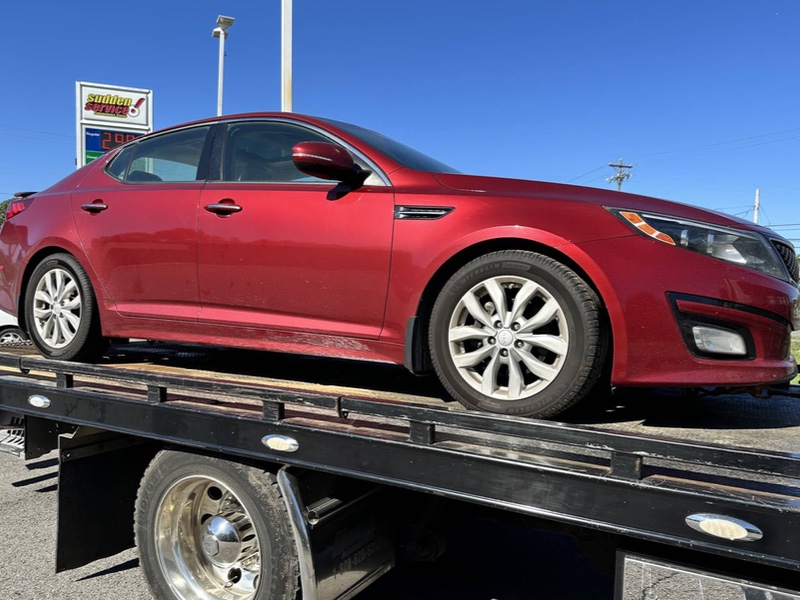
From Hopkinsville to Clarksville: Jones Bros Handles Your I-24 Recovery
At Jones Bros Towing & Trucking, we serve Hopkinsville, Princeton, Oak Grove, Clarksville, and surrounding areas. That puts us in a region where commercial vehicle recovery can involve more than simply moving a disabled tractor-trailer.
When I-24 heavy towing involves a loaded car carrier, we have to account for the equipment and the vehicles it was transporting. Unloading, staging, changing weight, damaged cars, and the condition of the carrier can turn one incident into several connected transportation problems. Our job is to work through the whole scene, not stop once the largest vehicle is upright.
FAQs
What happens to cars after a loaded carrier crashes?
We have to evaluate each one individually. It may remain aboard or need separate transportation depending on its condition and the carrier.
Can an undamaged car still need transportation?
Yes. It was being shipped as freight, so there may be no driver available to take it from the scene.
How are damaged cars removed?
The method depends on their position, whether they can roll and steer, and the condition of the carrier decks.
Why does removing cars affect the recovery?
Every removed car changes the carrier’s overall weight and balance.
Where do unloaded cars go?
They need to be staged clear of the main recovery area until transportation can be arranged.
Can the carrier be driven away once upright?
Not necessarily. Damage to the tractor, axles, suspension, tires, ramps, or decks may prevent normal travel.